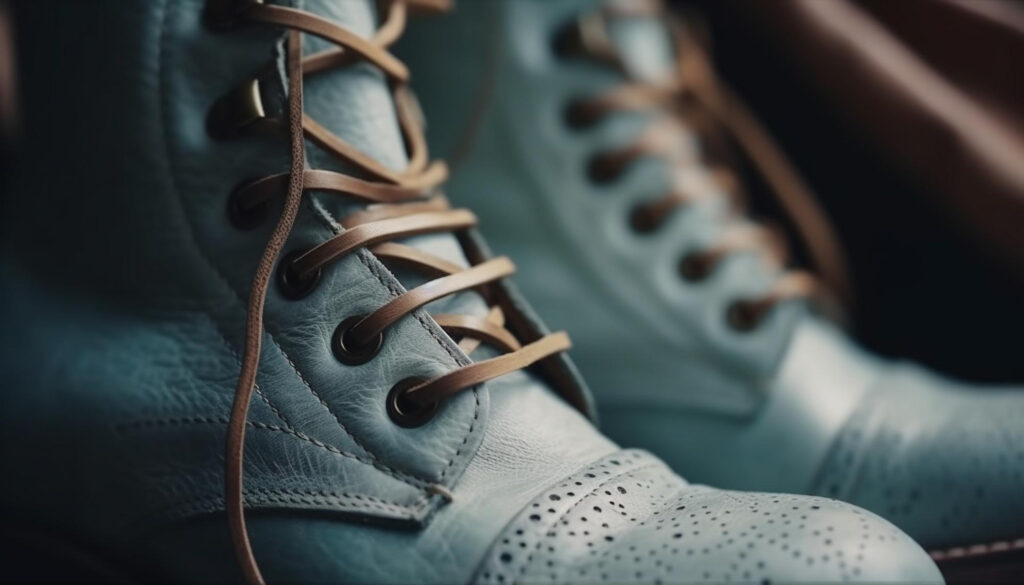
Safety shoes are specialized footwear designed to shield the feet from injuries caused by falling objects, sharp materials, slips, electrical hazards, and more. They combine durable construction with comfort to ensure workers can perform effectively while staying protected.
Why Are Safety Shoes Important in Industrial area?
In many industries—like construction, oil & gas, manufacturing, and logistics—your feet are constantly at risk. Safety shoes:
Prevent injuries from heavy falling tools or materials.
Protect against punctures from sharp objects like nails or glass.
Reduce slips and falls with anti-slip soles.
Shield against electrical hazards for workers in electrical environments.
Provide comfort during long work shifts.
What are the key features of quality Safety Shoes?
Not all safety shoes are made the same. High-quality options often include:
Toe Protection: Steel or composite toe caps to resist impact.
Puncture-Resistant Soles: Steel or Kevlar plates to protect from sharp objects.
Slip Resistance: Special outsole patterns for grip on slippery surfaces.
Electrical Hazard Protection: Non-conductive materials for electricians and technicians.
Comfort Enhancements: Cushioned insoles, breathable lining, and lightweight materials.
Which are the different types of Safety Shoes?
Safety shoes come in different categories based on the protection level:
S1P: Basic protection with anti-static, shock absorption, and puncture resistance.
S3: Waterproof uppers, advanced slip resistance, and added durability.
Executive Safety Shoes: Stylish designs for professionals who want both safety and corporate appeal.
High-Ankle Safety Boots: Extra ankle support and protection for heavy-duty work.
Who Needs Safety Shoes?
Safety shoes are essential in:
Construction sites – Protection from heavy tools, machinery, and debris.
Warehouses & Logistics – Prevent injuries from dropped packages or forklifts.
Oil & Gas Industry – Withstand harsh chemicals and slippery conditions.
Manufacturing plants – Guard against machinery accidents and sharp objects.